



LOOK AGAIN: WHY SOME VISUALS SUCCEED—AND OTHERS FAIL
OCT 6, 2025
How to design for Attention, Clarity, and Human Perception.
We are surrounded by visual stimuli every single day—advertisements, event flyers, road signs, work presentations, apps, websites, reports. Whether we are navigating a city or sitting in a meeting, we are constantly processing visual information.
Visual information is often use as a form of communication, and their effectiveness depends on how well they are designed for human perception. In marketing, it’s about grabbing attention and appealing to the right audience. On the road, direction signs must be instantly recognizable and easy to interpret, even at high speed. In airports or transit stations, clarity can mean the difference between catching a connection or getting lost.
How often have you found yourself in a workshop or meeting, staring at a presentation full of tiny fonts, cluttered slides, or poor color choices that make it hard to follow?
Design isn’t just about making things “look nice”—it’s about making them work. For visuals to work, we must design with the user’s brain and eyes in mind.
So, what makes a visual effective? What should we consider when designing a display, signage, a website, an advertisement, a poster, or a presentation?
Let’s dive into the key principles of designing visuals that inform, engage, and make sense to the people looking at them.
✅ Before You Design: Key Questions to Ask
1. What Is the Message You Want to Communicate?
Start with clarity.
- Define your main message.
What’s the most important thing the viewer should take away? - Include only essential supporting information.
Keep it relevant and avoid overloading the design.
2. Who Is Your Target Audience?
Visuals must fit the viewer’s needs—not just your preferences.
- Age differences
Older audiences may struggle with small fonts or low contrast. - Visual abilities
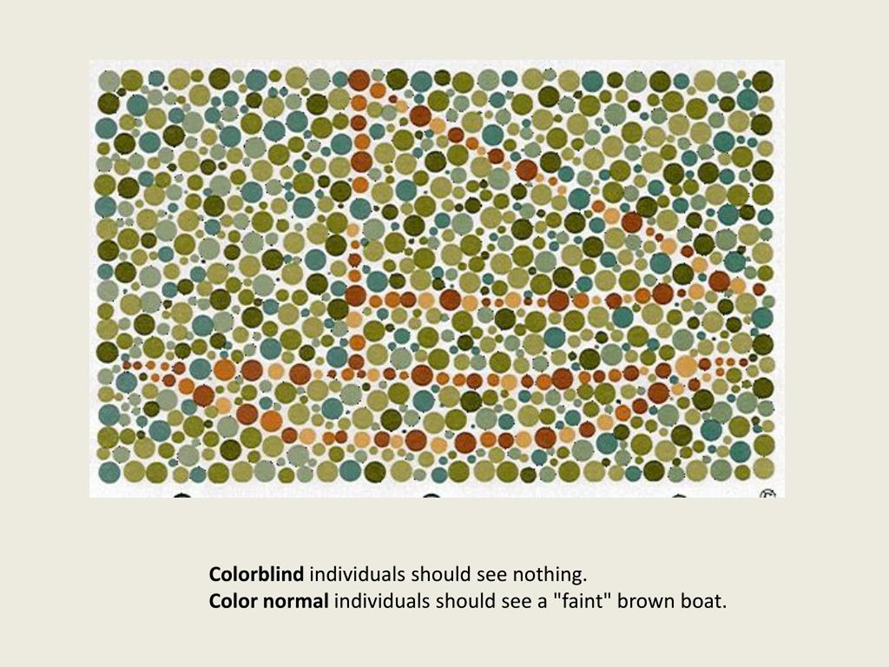
Consider color blindness, reduced eyesight, or reading difficulties. - Cultural or demographic preferences
Younger audiences may respond better to images and icons, while professional groups might prefer clean, minimal design. - Pictogram-friendly
In some settings, icons or images may communicate faster than text (e.g., transit systems, airports).
Below you will see a test for colorblindness.
3. What Is the Environment or Setting?
Where the visual will appear plays a big role in how it’s perceived.
- Crowded halls or fast-paced settings (roads)
Use large text, clear icons, and minimal content. - Outdoor vs. indoor
- Lightning conditions
Designs must adapt to sunlight, shadows, artificial light, or night visibility. - Motion and timing
Are the visuals seen in passing (like a billboard or road sign) or studied up close (like a brochure or website)?
4. What Colors Will You Use?
Color is powerful—but it must be handled with care.
- Avoid overwhelming color palettes.
Too many colors = visual chaos. Stick to 2–3 dominant tones. - Ensure strong contrast.
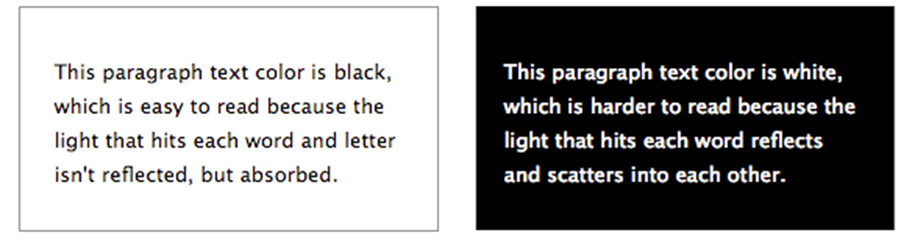
White background + black/dark text → Classic and readable
Dark background + white/light text → Striking and effective if done right
Avoid colors from the same hue range (e.g., red on orange, blue on green)
- Test for accessibility, including color blindness tools
- Color should support the message, not distract from it.
Use bold colors for calls to action or emphasis—but sparingly.
Bonus Tip: Test Your Visuals
Before finishing, ask:
- Can someone understand this in 3 seconds or less?
- Is it legible from a distance (if used in signage)?
- Does it still work in grayscale or low-light conditions?
These are simple basic tips to take into consideration and that would take the target group into account. For more in-depth information about the eyesight and functions you can contact me and we can arrange a workshop or presentation about this area.