


UNDERSTANDING HOW THE MIND CHANGES WITH AGE — AND WHY KINDNESS MATTERS
NOV 13, 2025
As our world gets older, more of us have parents, grandparents, neighbors, or friends in their senior years. We see them at the grocery store, on the bus, or at family gatherings — and sometimes we notice small changes in how they speak, remember, or move through the world.
What many people don’t realize is that these shifts are a natural part of aging. Understanding them can help us respond with patience and compassion instead of frustration or misunderstanding.
Let’s take a closer look at what’s happening in the brain as we age and how we can all play a role in making life a little easier (and kinder) for the elderly in our communities.
How Aging Affects Cognitive Functions
Cognitive functions are the mental skills that help us think, learn, remember, and make decisions. As we get older, these functions don’t disappear, but they do change.
What are the possible changes?
- 🧠 Memory: Older adults might take longer to recall names or details, though long-term memories often stay sharp.
An example regarding the recalling of names:
- Imagine your grandmother meets a neighbor at the grocery store and can’t immediately remember their name, even though she clearly recognizes the face and remembers past conversations. A few minutes later, or after leaving the store, the name suddenly comes back to her.
This happens because short-term memory retrieval (like bringing a name to mind on the spot) can slow down with age, while long-term memory (remembering who the person is, where they live, and shared experiences) often remains strong.
An example regarding the recalling of details:
- Your grandfather might vividly remember attending your college graduation; the excitement, the proud moment, and even the speech you gave. But when asked what time the ceremony started or where the family went for dinner afterward, he might pause or struggle to bring those smaller details to mind.
This happens because as we age, we tend to hold on to the broader memories and emotionsof experiences, while the finer points — like dates, names, or sequences — can take longer to retrieve.

2. ⚡ Processing speed: It can take more time to absorb new information or adapt to fast-paced conversations.
Common examples:
- During a family dinner, several people are talking at once — one person sharing a story, another asking a question, and someone else checking their phone for directions. Your elderly aunt listens attentively but doesn’t respond right away. She may need a few extra seconds to take in everything that’s being said, figure out who’s talking about what, and decide how to respond.
It’s not that she doesn’t understand — her brain simply needs a bit more time to process the rapid flow of information and keep up with the fast pace of the conversation.
- An older man is learning how to use a new smartphone. His daughter quickly explains how to open an app, send a message, and switch screens. While she moves through the steps effortlessly, he pauses between each one, rereading the icons, making sure he’s pressing the right button, and double-checking what to do next.
He understands the instructions perfectly well, but his brain needs a bit more time to absorb and apply the new information. This slower processing speed is a normal part of aging, not a sign of confusion or lack of intelligence.
3. 🎯 Attention: Focusing on several things at once becomes trickier, especially in noisy or busy environments.
Common examples:
- An older woman is cooking dinner while the television is on, and her grandchildren are talking in the background. As the noise and activity builds up, she starts to lose track of which ingredients she’s already added to the pot. She might forget whether she’s salted the soup or already turned off the stove.
It’s not that she can’t focus, she just finds it harder to divide her attention between several things happening at once. Busy or noisy environments can make it more difficult for her brain to filter distractions and stay on task.
- An older man is driving to a doctor’s appointment while chatting with his passenger and following GPS directions. When the passenger asks him a question just as the navigation voice gives new instructions, he momentarily misses the turn.
He’s not confused or forgetful, his brain just can’t process and shift focus between two tasks as quickly as it once did. Managing multiple streams of information at the same time; like conversation, traffic, and navigation, can simply take more mental effort for older adults.
- An elderly driver is approaching a busy intersection. At the same time, the traffic light turns green, a pedestrian steps onto the crosswalk, and a car behind honks impatiently. With so much happening at once, the driver hesitates, unsure whether to stop or continue.

This moment of uncertainty happens because it’s harder to divide attention among multiple, competing stimuli; lights, movement, and sounds, all demanding a quick decision. Older adults may need an extra second to focus and respond safely in such complex traffic situations.
4. 🗣️ Language: Finding the right word might take a moment — but understanding and communication skills remain strong.
A common example:
- During a family conversation, an older woman is telling a story about her vacation. She suddenly pauses mid-sentence, saying, “Oh, what’s the word I’m looking for? You know, the thing you carry your clothes in…” After a few seconds, she smiles and says, “Suitcase!” and continues her story without missing a beat.
This brief “tip-of-the-tongue” moment is very common with age. It takes a bit longer to retrieve specific words, even though the person fully understands what they want to say and communicates clearly once the word comes to mind.
5. 📋 Problem-solving and planning: Tasks that involve organizing or multitasking might feel more tiring.
Common examples:
- An older man is preparing a family dinner with multiple dishes. He needs to coordinate cooking times, remember which ingredients are already prepped, and decide when to set the table. Halfway through, he realizes he forgot to defrost the meat, which throws off his timing.
Tasks that require organizing steps, planning ahead, or multitasking can feel more tiring or take longer with age. It doesn’t mean he can’t solve the problem — it just requires more focus and energy to manage multiple things at once.
- An older employee is managing a project with several deadlines and team members. Suddenly, a client changes the requirements for a key task. The employee pauses to figure out how to rearrange priorities, delegate tasks differently, and communicate updates — it takes extra time to plan the new steps efficiently.
While they can solve the problem successfully, juggling multiple moving parts requires more mental effort and energy than it used to.
- An elderly driver is planning a route to run several errands. Midway, a road closure forces a sudden detour. They need to quickly decide which alternative streets to take, adjust timing for traffic lights, and remember which stops are most important.
Even though they handle it safely, multitasking and adjusting plans on the fly can feel more tiring and stressful than for younger drivers.
These changes are not signs of lost intelligence — they’re simply part of how the brain adapts with age.
Normal Aging vs. Cognitive Disorders
Not all cognitive changes mean something is wrong. Occasional forgetfulness or slower recall is normal. However, persistent confusion, disorientation, or significant memory loss could indicate conditions like dementia or Alzheimer’s disease.
Knowing the difference helps us approach older adults with both sensitivity and awareness, and encourages timely medical checkups when needed.
The Emotional Side of Cognitive Change
Imagine feeling your mind slow down while the world around you keep speeding up. For many older adults, this can be frustrating or even discouraging.
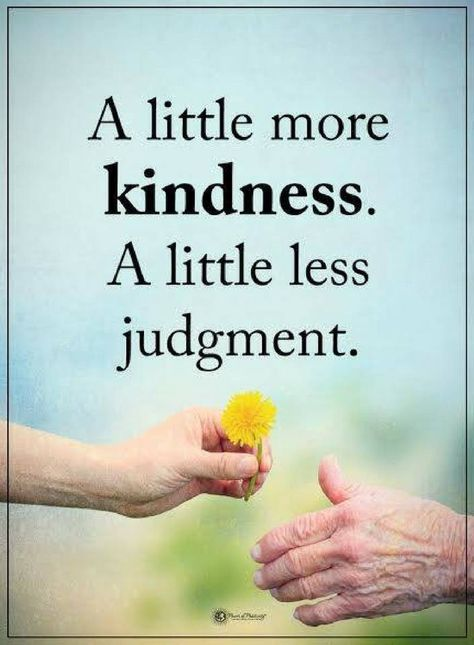
When others become impatient, speak over them, or treat them as less capable, it can lead to feelings of embarrassment or isolation. But when we respond with empathy — giving them time, listening actively, and showing respect — it reinforces their confidence and sense of belonging.
Simple Ways to Be More Considerate
Here are a few small actions that make a big difference:
- Be patient. Give older adults time to respond — silence doesn’t mean confusion.
- Speak clearly, not loudly. A calm, friendly tone helps communication flow naturally.
- Offer help — but don’t assume it’s needed. Encouraging independence supports dignity and self-esteem.
- Engage in conversation. Ask questions, share stories, and keep them involved in social life.
- Show appreciation. Recognize the wisdom, humor, and experience they bring to the table.
These gestures cost nothing, but they mean everything.
Building a More Age-Friendly Community
Kindness can go beyond personal interactions. Communities can make a huge impact by:
- Designing public spaces that are accessible and comfortable for seniors.
- Hosting intergenerational events that bring young and old together.
- Supporting programs that encourage lifelong learning, social connection, and mental stimulation.
When we design our communities with empathy in mind, everyone benefits — not just the elderly.
In Closing
Aging is something we all share — if we’re lucky. The way we treat our elderly today sets the tone for how we’ll all be treated tomorrow.
By understanding how cognitive functions change with age and choosing to respond with patience and compassion, we create a world where everyone, at every stage of life, feels valued and respected.
Because in the end, kindness is timeless.